

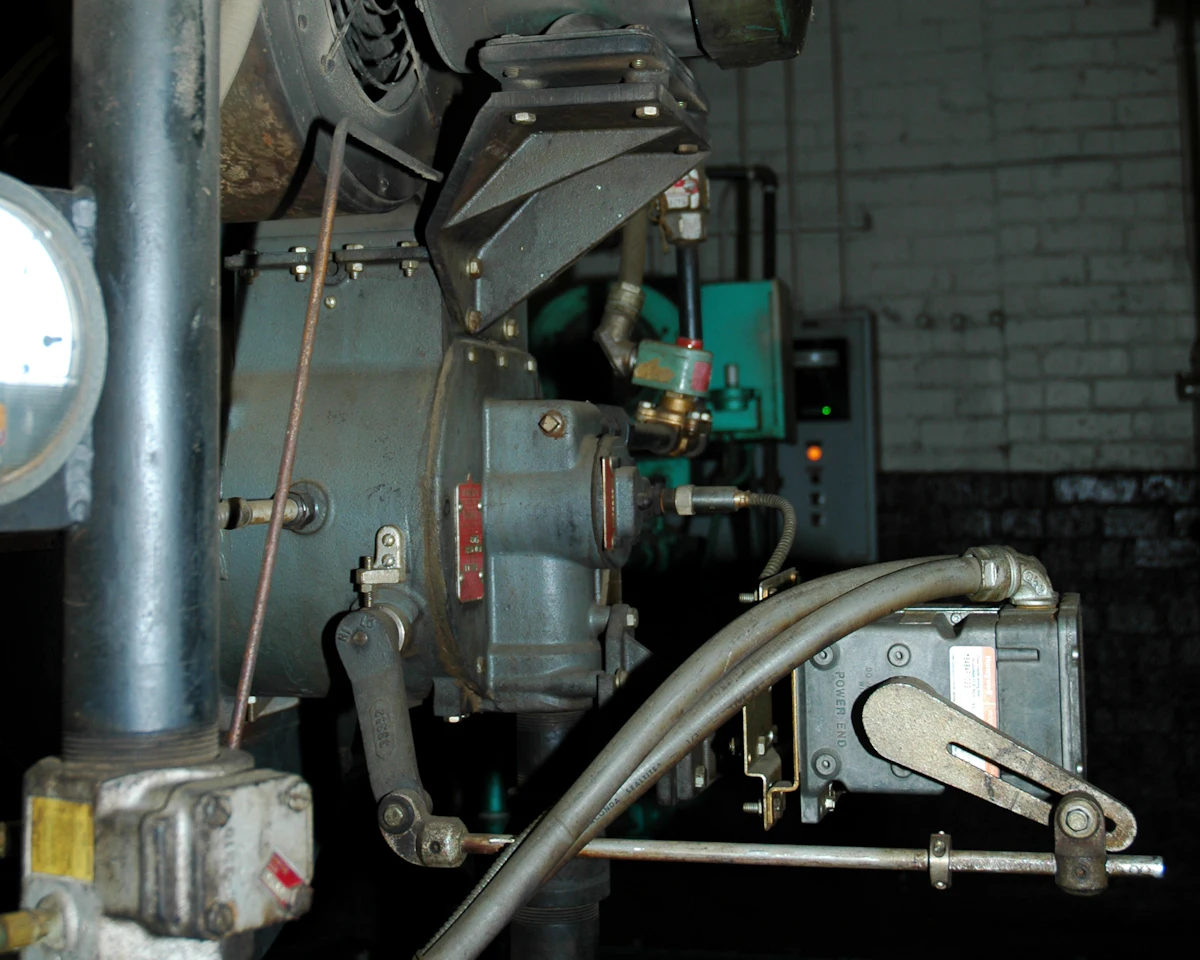
Built for one application
The unit is specified for the site it will serve, so nothing is oversized to fit a product line and nothing is stretched to cover a load it was never meant to carry.
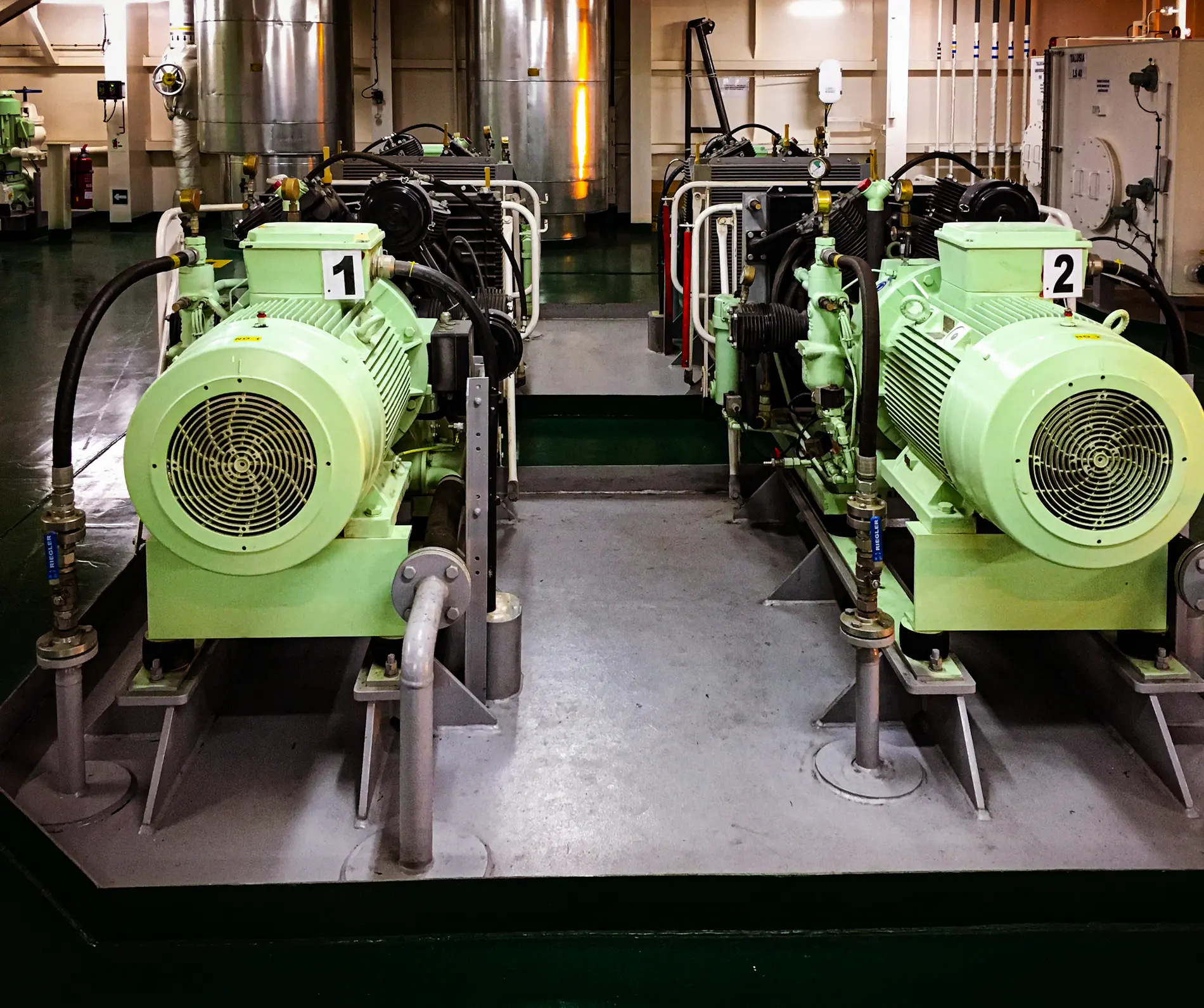
Barcelona Co. builds generating units one site at a time, installed where the load actually is. No line to extend, no fuel supply chain to depend on.
In dense areas it does that job well. At the edges the arithmetic stops working, and the demand that sits out there goes unserved for reasons that have nothing to do with need.
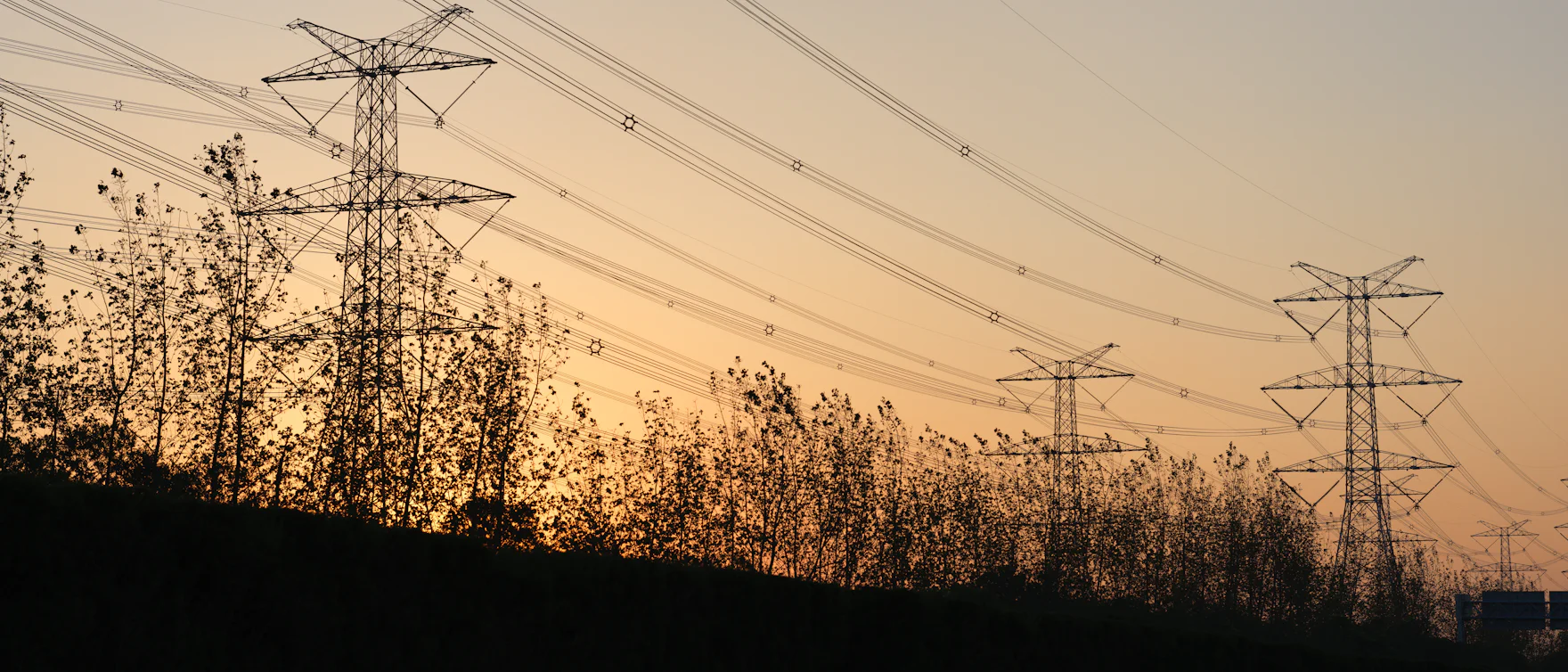
Running a line out to a remote site can cost more than the site itself is worth.
For operations with heavy loads, energy sits among the largest fixed costs, and it lands in the price they have to charge for their own work.
Rural properties and working land often run on whatever supply can be improvised on the spot.
Land without energy infrastructure stays undeveloped, because the infrastructure has to arrive before anything else can.
Generating at the site takes distance out of the equation. What the network could not justify reaching, a unit standing on the ground can serve.
The order does not change between applications. What changes is the answer each step arrives at.
The starting point is the load the site actually carries, including how that load moves through a day and through a year.
The generating unit is specified around that load, at the size the site calls for rather than the nearest standard size.
The unit is assembled, delivered and installed at the point where the energy is going to be consumed.
The site runs on generation it owns, on its own or beside the supply it already had.
Capacity added next to a supply the site already has.
The main source, where that is what the operation needs.
Locations distribution covers badly, or does not cover at all.
Three things follow from producing power on the ground instead of receiving it from a distance.
The unit is specified for the site it will serve, so nothing is oversized to fit a product line and nothing is stretched to cover a load it was never meant to carry.
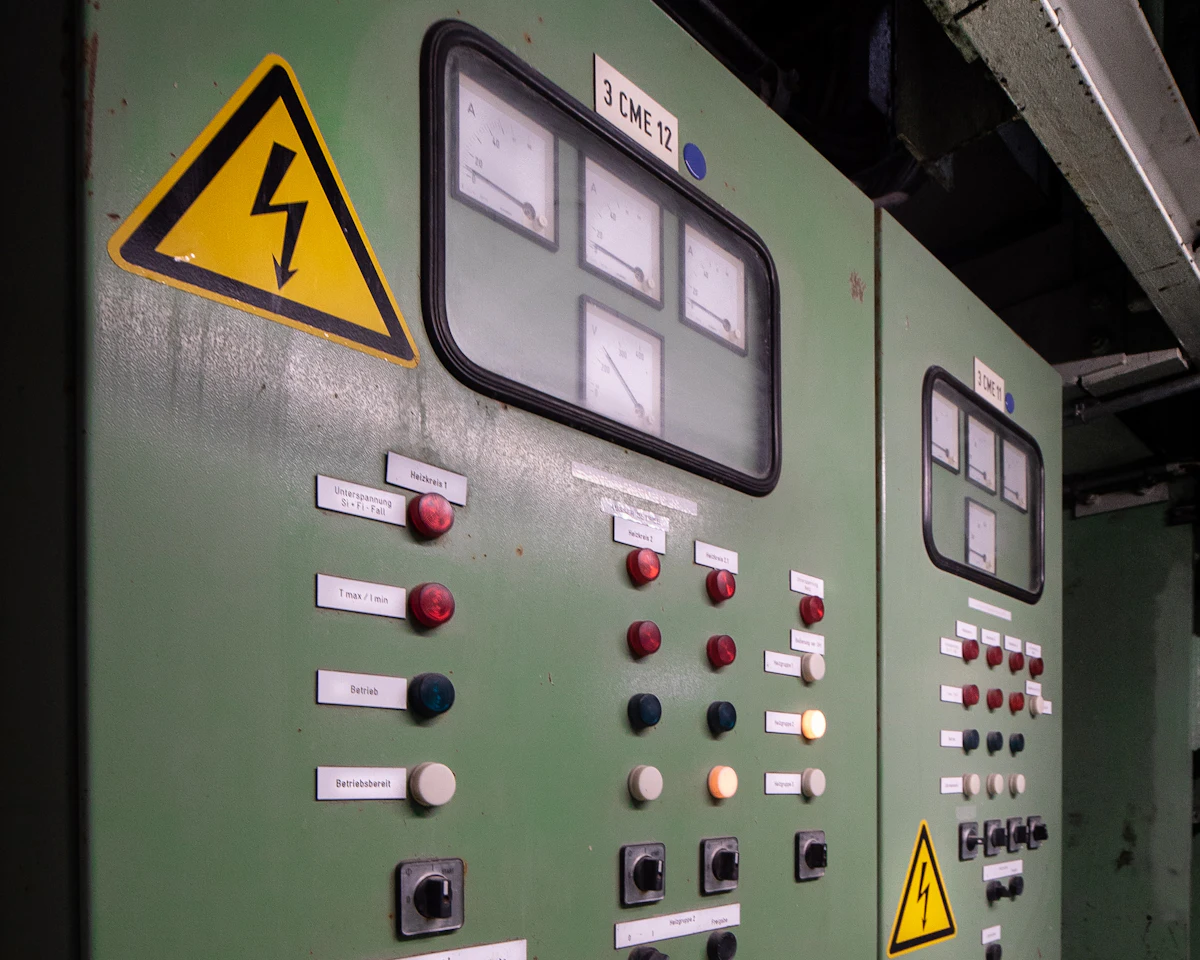
Generating where the power is consumed reduces how much the operation depends on a network it does not run and a schedule it does not set.
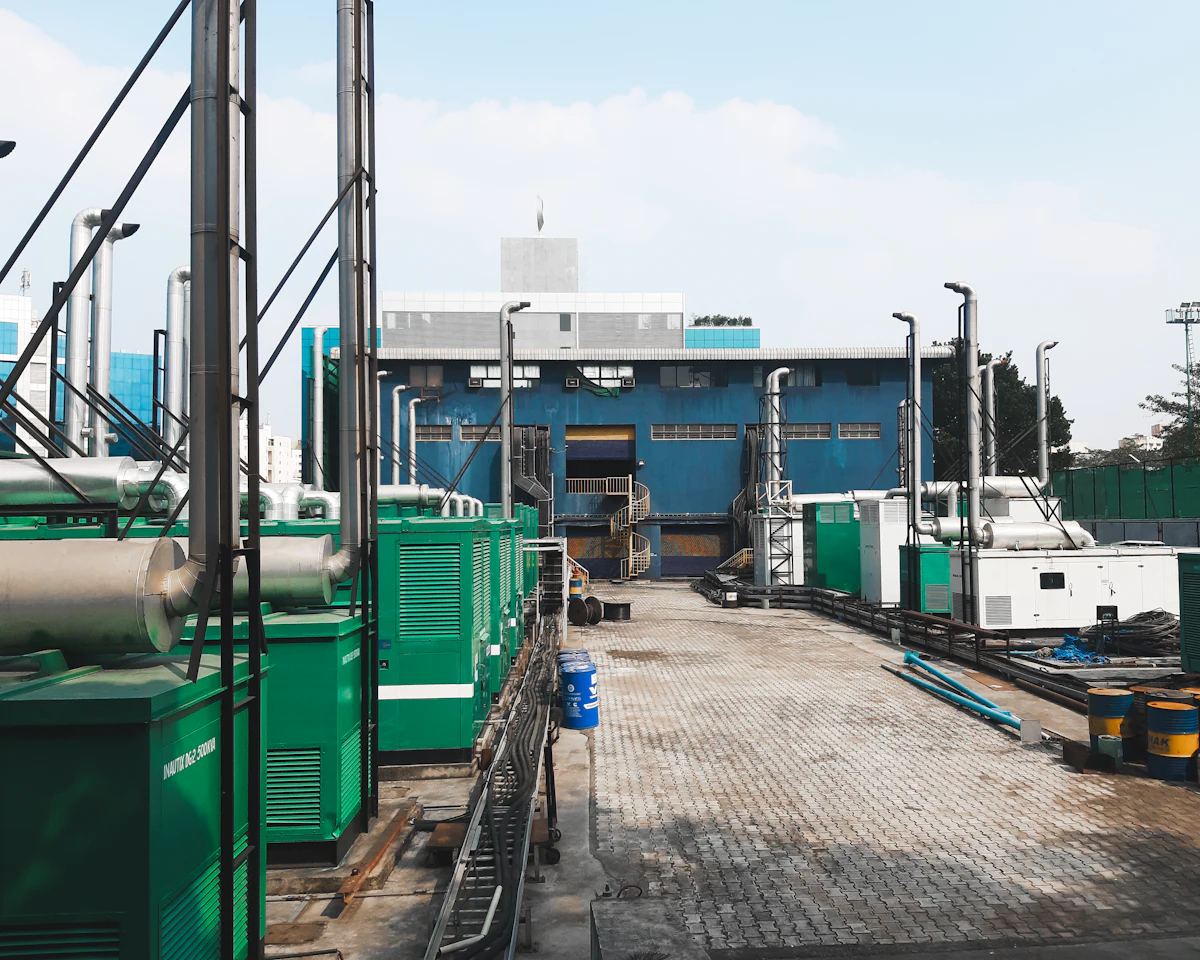
The approach is meant to hold across settings and climates, and to take a different configuration as the demand of a site grows or changes shape.
Swipe for the rest
Each setting arrives with a different problem. These are the ones the company is being built to answer.
For homes where the supply does arrive, but not dependably enough to plan around.
For businesses exposed to energy costs that spike when they can least absorb them.
Sized to the load a plant actually runs, not to what a catalog offers.
For land the grid reaches last, if it reaches at all.
For sites still waiting on infrastructure that may never arrive.
For operations that cannot depend on a single point of failure, including strategic and defense sites.
The company is being built around one aim: to develop generating solutions capable of bringing power to where it is needed, whatever the conventional network happens to reach.
That points in two directions at once. One is serving operations that already have a supply and want a better one. The other is reaching places where a supply has never arrived at all. The second is the slower work, and the one that changes more.
Barcelona Co. is at the stage of defining the concept and putting the business around it together. What is on this page is the thinking behind it, described as it stands today.
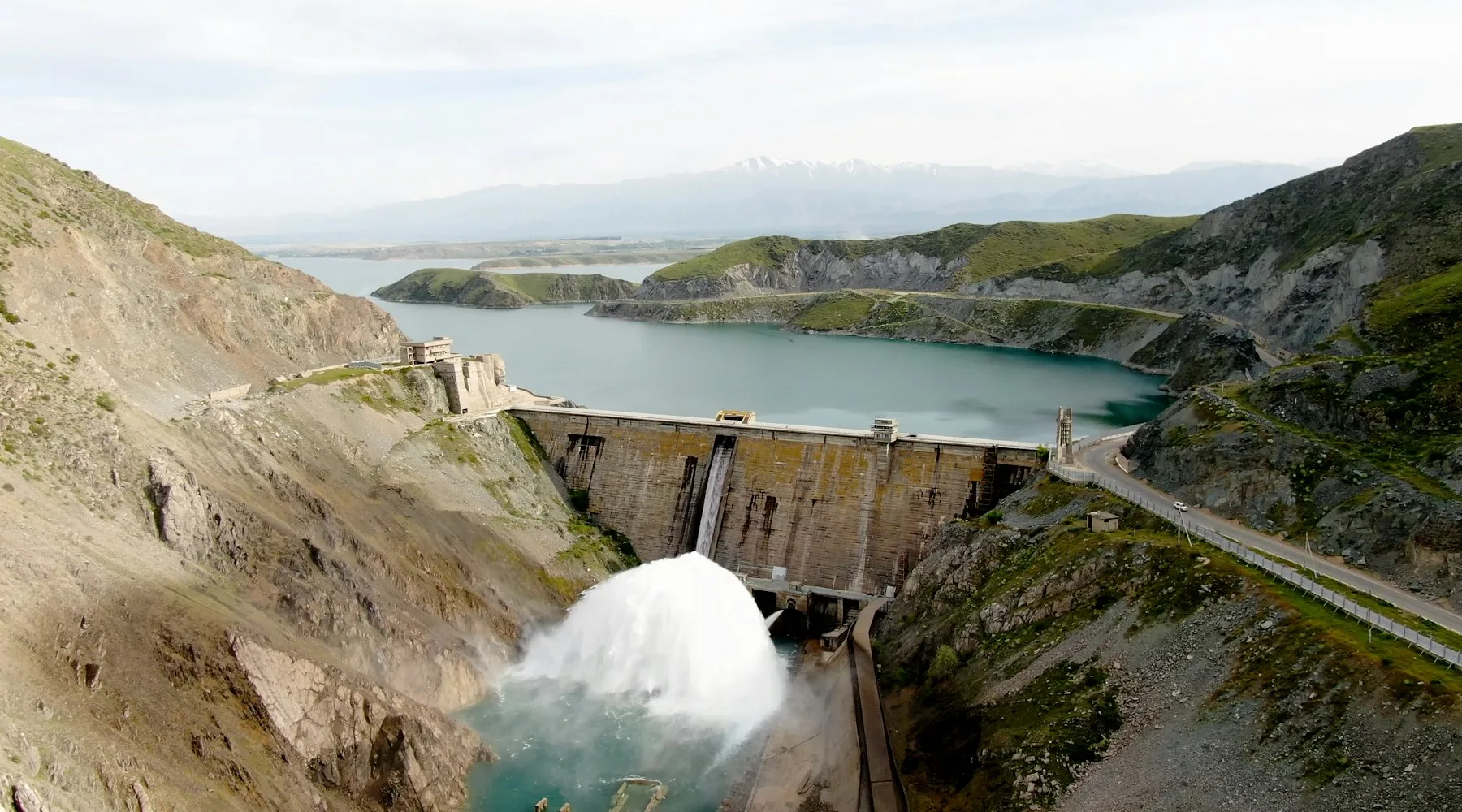
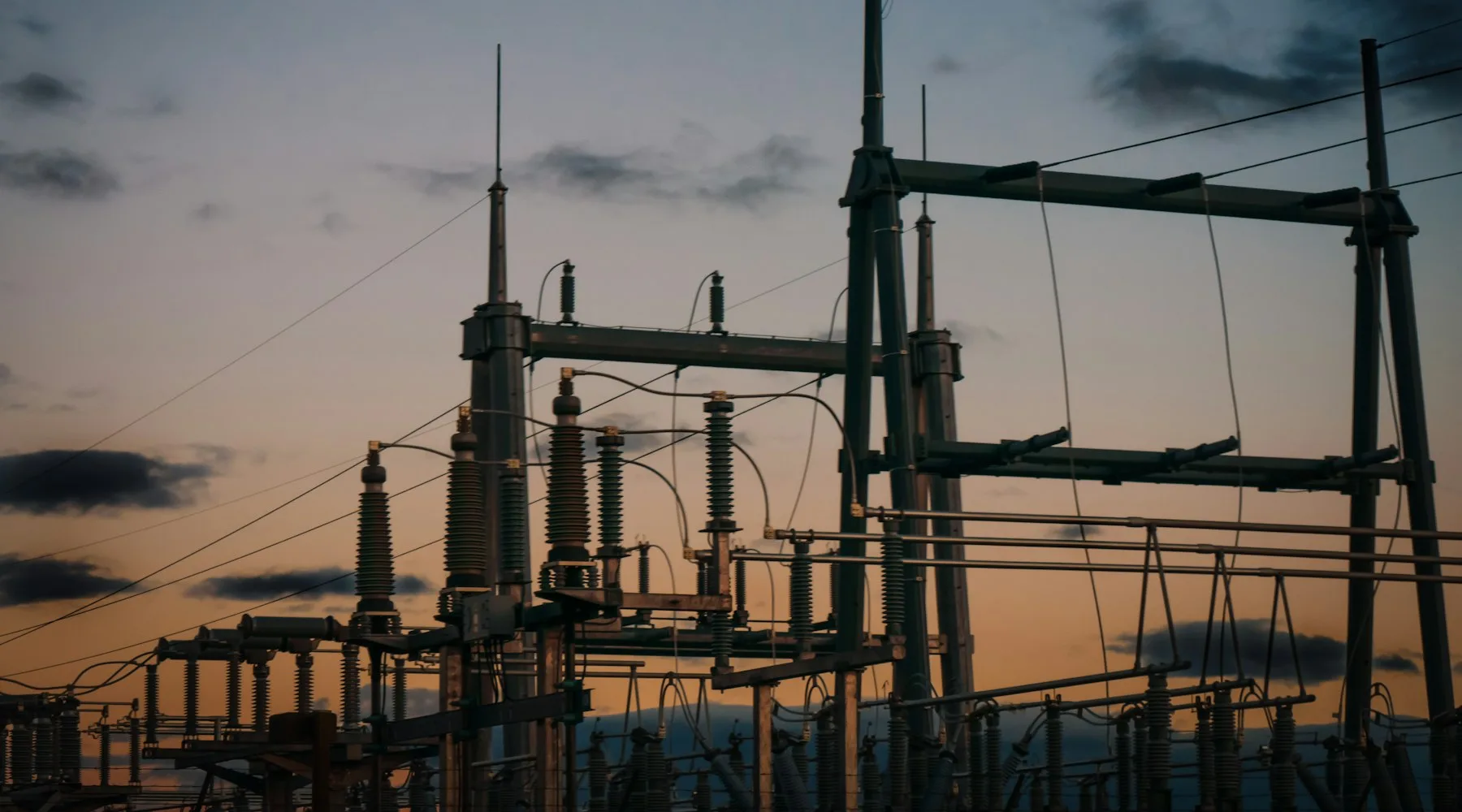
The concept is defined and the business around it is being put together. We are talking with people and organizations interested in understanding the project, and where it fits, in taking part in how it develops.
There is no offering on this page and no figures to present. What there is, is an early look at what is being built and a direct line to the people building it.
For questions about the concept, about a possible application, or about working together as the company is built.
If you are looking at Barcelona Co. as an investment, the interest form carries the details we need to start a conversation properly.